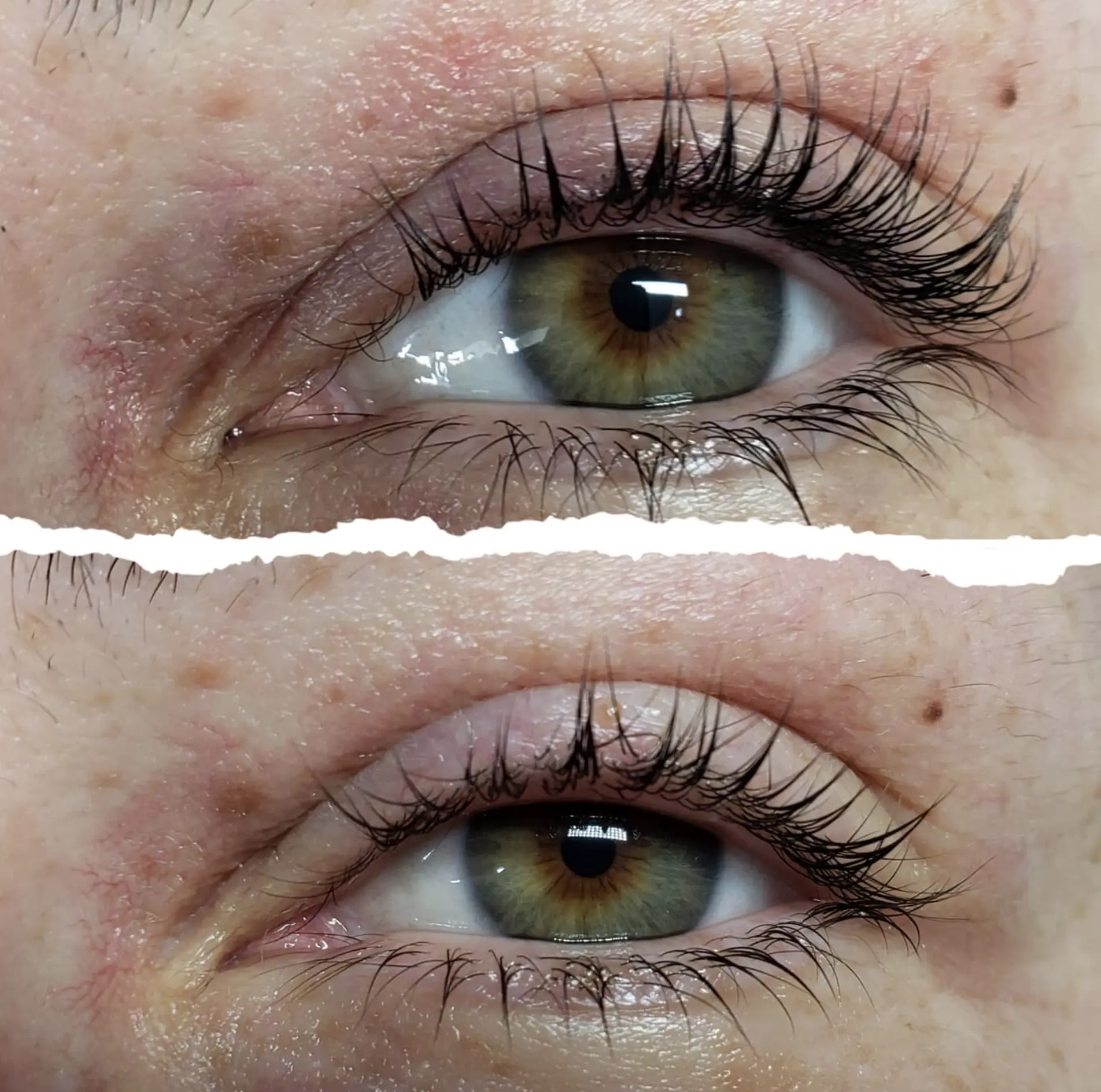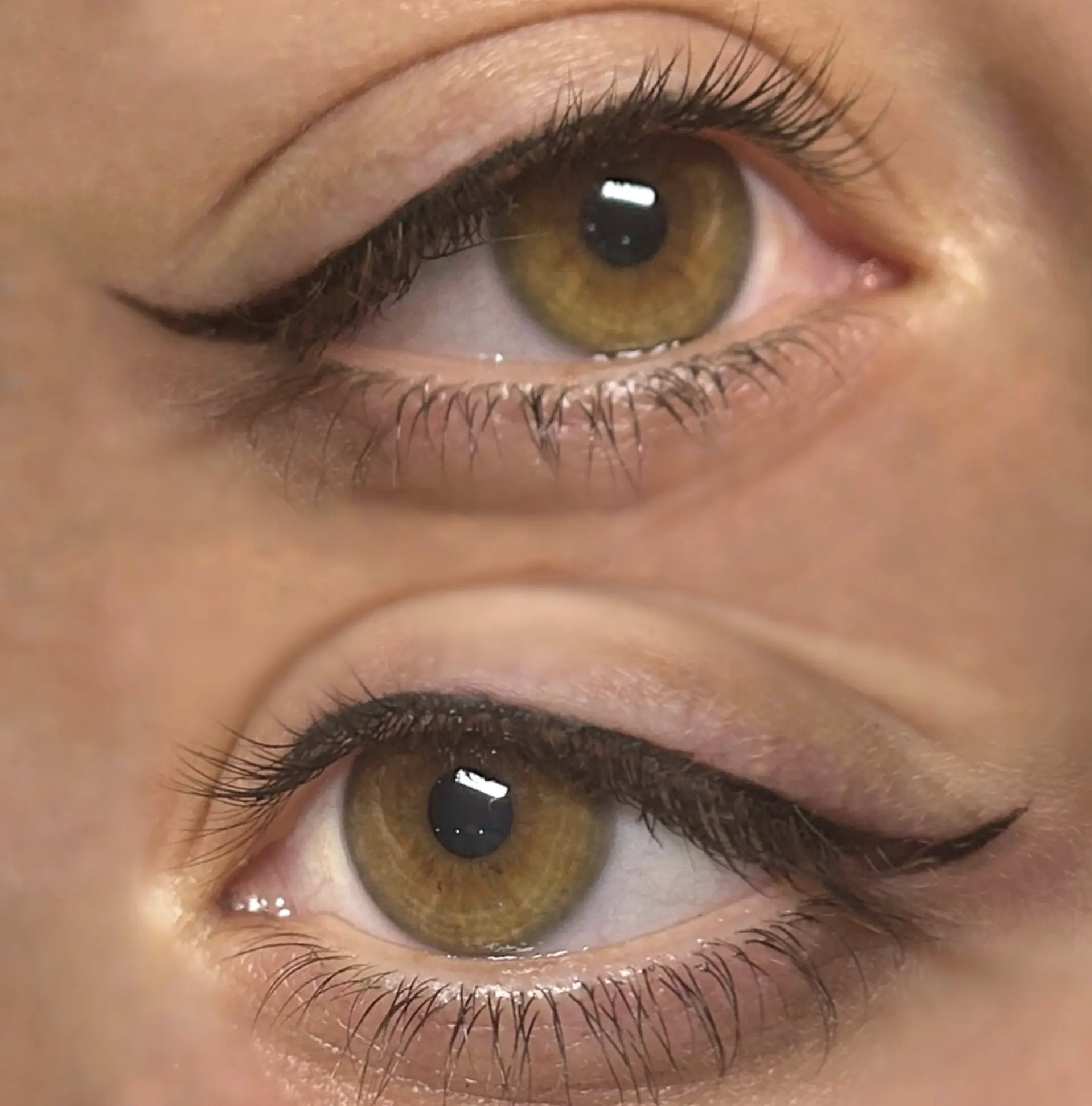
The title How to stop your eyeliner tattoo from losing its colour during the healing process? pretty much sums up a question I get asked all the time in my Melbourne studio – especially from clients who are new to permanent makeup and cosmetic tattooing. And to be fair, it’s a question that makes sense – the healing process can look pretty unpredictable before it finally settles in, and your skin type, oil levels, immune system, and even whether you wear contact lenses can all have an effect on how well your permanent eyeliner stays put.
Why Colour Results Differ Post-Treatment
Before you get too worked up, let me reassure you – some fading is normal with eyeliner tattoos. Eyelid skin is relatively thin and rich in blood vessels and other structures, including sebaceous glands, sweat glands, and lymph nodes. When you get a permanent eyeliner tattoo, the skin goes into healing overdrive, which means it swells up, releases lymph fluid, and starts to repair the wound in all sorts of interesting ways – all of which can impact how the pigment sits in the dermis.
Some fading is just part of the deal.
Patchy results, on the other hand, can be avoided if you know what to do.
Your Skin’s Healing Cycle & Pigment Behaviour
Your eyeliner goes through three predictable stages in the healing timeline:
| Phase | Timeline | What’s Happening | Impact on Pigment |
|---|---|---|---|
| Inflammatory Phase | Day 1–3 | Swelling, tenderness, lymph fluid | Can push out superficial pigment if not cleaned correctly |
| Shedding Phase | Day 3–7 | Flaking, dryness, light scabbing | Some colour drop is expected |
| Regeneration Phase | Week 2–6 | Dermal layer settles, collagen fibres repair | True retention shows at 6 weeks |
Australian Cosmetic Tattoo statistics (2024) show that permanent cosmetics heal 30–40% lighter than the initial top layer.
What Causes Most Pigment Loss
Let’s be real here – most pigment loss is caused by things you do on your own, not because of the tattoo equipment or the artist themselves. Even the best tattoo artist can only control what happens while you’re in the studio.
The biggest causes of pigment fallout:
- Touching, rubbing, or sleeping on the eyes
- Wearing eyelash extensions too soon
- Hot environments — steam rooms, hot tubs, chlorinated hot tubs, saunas
- Exposure to sunlight and unprotected UV rays
- Using skincare with alpha hydroxy acids, Vitamin A, or retinol acids
- Exercising and sweating too early
- Applying hydrating serums or oil-rich creams
- Picking off flakes
- Using micellar water on the lash line
- Taking blood thinners, fish oils, or blood-thinning medications
- Incorrect use of aftercare instructions, such as heavy ointments
Knowledge is power — so let’s move into solutions.
How To Support Strong Colour Results
If you follow the right aftercare routine and make a few small lifestyle changes, you’ll give the pigment the best chance of settling evenly into your skin and avoiding patchy results.
Clean The Area Correctly
After your cosmetic procedure, you’ll need to drain the lymphatic fluid a few times a day; if you don’t, it can harden into thick, flaky bits and pull pigment out with them.
Try this instead:
- Grab a cotton pad that’s just damp, not soaking wet
- Don’t scrub; just gently press it against your skin
- And please, please, follow the aftercare instructions to the letter
Avoid the following as well: micellar water, eye makeup removers, and soaps containing AHA or glycolic acid.
Skip Heavy Ointments
Your eyelids are super thin, and healing wounds need some oxygen to breathe – heavy balms, even those with Vitamin A and D, can just swamp the skin.
Light, dry healing can be a lifesaver for a lot of skin types – and at Face Figurati, we recommend:
- Using a teeny-tiny amount of aftercare balm, just a rice grain size
- Applying it once or twice a day
- But stop dead in your tracks if you notice your lash line looking shiny or greasy
Your skin needs a chance to breathe.
Avoid Heat, Sweat, And Steam For 7 Days
Heat opens your pores and encourages lymph flow, which can disrupt pigment stability.
Avoid these places:
- Gyms – sorry, no sweating allowed
- Saunas – forget about it
- Hot showers – take a cold one instead
- Hot tubs – even if they’re chlorinated
- Swimming pools
- Standing over a boiling pot – yikes
- Steamy bathrooms – try a bath at a lower temperature instead
Even those chlorinated hot tubs can break down the pigment before it gets a chance to settle in.
Hands Off
Removing those flakes can prevent pigment from reaching the dermal layer. I always tell my clients: “If it’s still attached, it’s not ready yet.”
Let every piece fall off naturally.

No Lash Extensions, Mascara, Or Eye Makeup
Lash extensions can cause friction; mascara contains oils and pigment dyes; and removers may contain skin-thinning irritants. And don’t even get me started on:
- Eyeshadow
- Smoky eyeshadow – try a lighter look instead
- Any product near the lash line
Your permanent eyeliner just needs to be left alone.
Be Careful With Skincare Products
For ten days leading up to getting your eyeliner tattoo, try to avoid the following products:
- No glycolic acids
- No retinol acids
- No Vitamin A
- No hydrating serums near the eyes
- No AHA, BHA, or chemical peels
- No cosmetic Botox around the eye area
These products can cause the skin to exfoliate too quickly, leading to pigment loss.

What We Do In Studio
Here at Face Figurati, we’ve thought of every detail. From mapping out the perfect lash line to choosing the best pigment formula for your skin, we’re meticulous, and we want every step to be as painless as possible.
High-Quality Pigments
We use only the best cosmetic tattoo pigments, specifically designed for the delicate skin around your eyes. Good quality ingredients are essential for safe healing.
When it comes to carbon-based pigments, we need to ensure they are stabilised to prevent migration through your blood vessels.
Numbing Creams & Topical Anaesthetics
We use these to keep you comfortable, but don’t overdo it – too much can constrict your blood vessels or thin out your skin. I use just enough to keep you comfy without compromising the final result.
The Right Depth & Device Technique
We’re very careful about the depth and technique we use when tattooing – too much trauma to the skin can cause swelling, and it’s harder for the ink to settle. By keeping things gentle, we get better retention.
Design Preferences Matter
If you choose:
- A thicker wing
- A Lash Enhancement line
- Or a smoky eyeshadow tattoo look
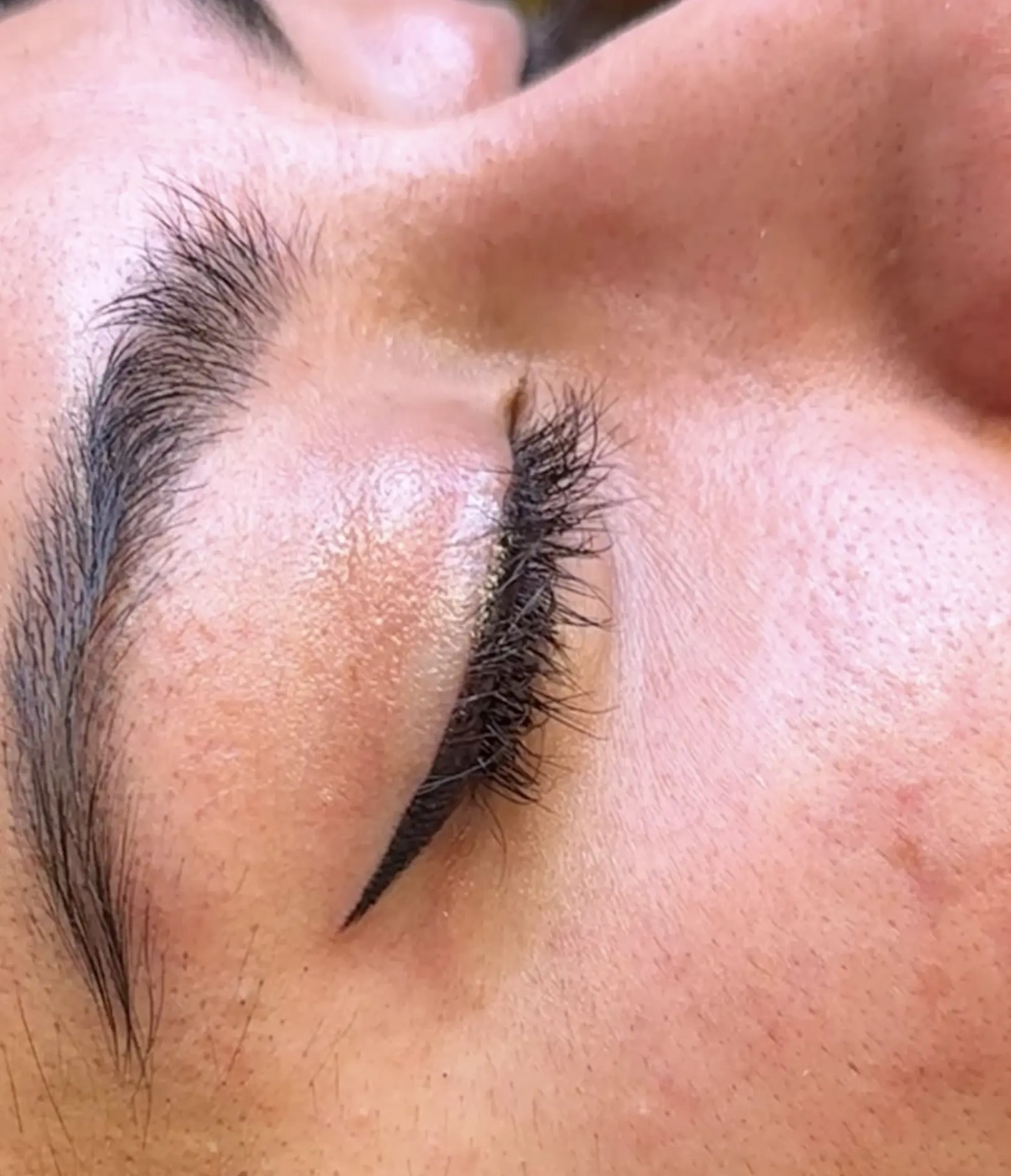
Clients choosing a winged eyeliner tattoo at Cosmetic Tattoo Studio Melbourne Face Figurati often require slightly more attentive aftercare because the outer corner of the eye tends to move more during blinking and cleansing.
The pigment retention may vary because each style interacts differently with the skin.
Touch Up Session Is Part Of The Process
A touch-up session at 6-8 weeks is pretty standard – it’s not a ‘fix’, it’s just a way of perfecting the design. Every permanent makeup artist will tell you the same thing: a touch-up is a normal part of the process.

Weathering: How the Seasons Affect Your Aftercare
By tailoring your aftercare routine to suit the season – whether that’s beating the heat in the summer or fighting dryness in the cold winter months – you give the pigment the best possible chance of settling in evenly.
Summer
Summer is a bit of a challenging time for healing, what with the heat, the sun’s UV rays and your sweat glands all getting in the mix.
Some helpful tips to keep in mind:
- Try to stay as cool as possible
- Give the sun a wide berth (keep out of direct sunlight)
- Don’t forget to wear your sunglasses for extra protection
- Put those outdoor workouts on hold for a while
Winter
Winter can be just as tough on your eyeliner as summer, especially with dry air and central heating. The key to avoiding any cracks is to use just the right amount of ointment – not too much, and definitely not too little.
FAQ
Why does my eyeliner tattoo look so pale at day 7?
Don’t worry, you’re just hitting the ghosting stage – the pigment is just resurfacing as the top layer of skin seals itself up.
Can I use micellar water on my tattoo, as long as I avoid the actual tattooed area?
Sorry to say it, but no – the fumes and residue from the micellar water can still find their way to your tattoo, so best to steer clear of it altogether and stick to a nice, cool glass of boiled water instead.
Do Contact Lenses affect the healing process at all?
Yes, they can – removing them stretches out your eyelid and can cause some of the pigment to come loose.
Why can’t I get lash extensions after getting a Cosmetic tattoo?
The adhesives and extensions themselves can cause friction, irritation, and even dislodge pigment.
Can they affect my results?
Yes, they can – they can make the skin a bit more prone to bleeding during the tattooing process, and can even dilute the pigment a bit. So, it’s always a good idea to have a chat with your doc about any medications you’re on before you get tattooed.